In short
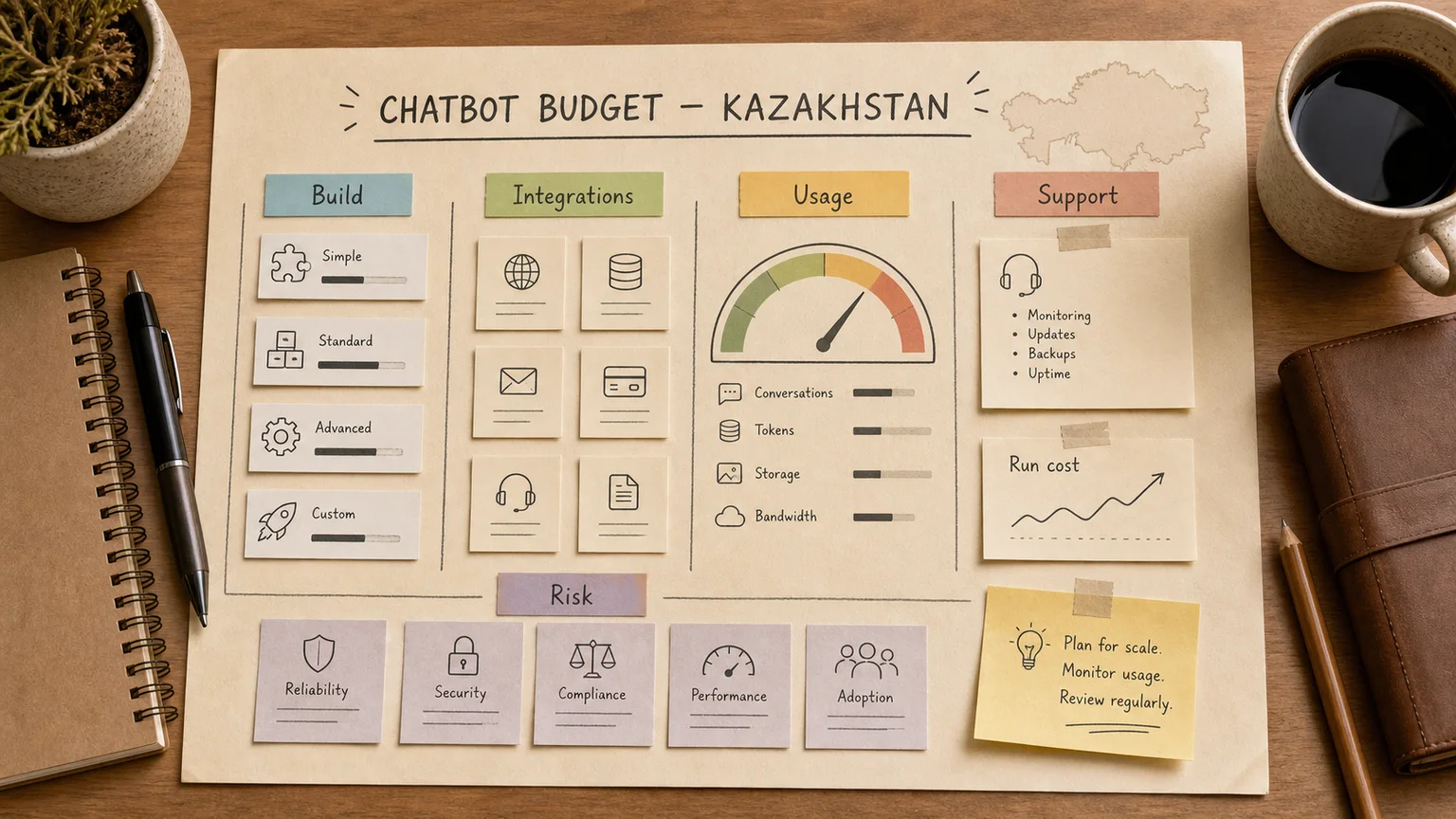
Ask ten vendors how much does a chatbot cost and you get ten different answers, from $15 a month to six figures. That is not vendors being cagey. It is that "chatbot" is sold as four genuinely different products: a builder subscription, a freelancer's one-off build, an agency package, and a custom AI agent. Each has a different failure mode, not just a different price tag.

Rough ranges: a no-code builder runs $0-150/month depending on tier and message volume. A freelancer will assemble a button-based bot for $300-1,500 as a one-time job. An agency package with a proper handoff and support plan lands somewhere between $2,000 and $15,000. A custom AI agent with real integrations starts around $10,000 and scales with how many systems it has to read from and write to.
If you're weighing this against the broader question of AI implementation cost rather than chatbots specifically, that piece covers the full range of systems. Here, the focus stays narrow: chatbots, what each number actually buys, and which costs show up on the invoice six months later instead of the first one.
No-code builders: $0-150/month
This is Intercom's Fin, Drift, Tidio, ManyChat, and a long tail of similar tools. You pay a subscription, wire up a flow with their visual builder or templates, connect a channel, and it runs. Entry tiers are often free or under $30/month for low volume; usage-based pricing kicks in once you're past a few thousand conversations.
The upside is speed — live in an afternoon, no developer required. The limit shows up the moment a customer goes off-script: "can I swap this for the blue one and also change my shipping address," or a question that spans two topics in one message. A builder either mishandles it or routes straight to a human. For a simple FAQ widget, a lead-capture form, or appointment booking, that's fine. For anything closer to actual support, it isn't.
Freelancer builds: $300-1,500
A freelancer on Upwork or a dev community will wire up the same builder, or write custom code, for a flat one-time fee. This works when the scope is genuinely narrow: a greeting flow, three or four buttons, forward the request to a Slack channel.
The risk shows up after delivery. Most freelance contracts don't include ongoing support. Pricing changes, a form field gets added, the platform updates its API — and there's no one on retainer to fix it. Six months later the bot quietly starts giving wrong answers, and whoever inherits it has to reverse-engineer someone else's code with no documentation.
Agency packages: $2,000-15,000
This is the tier where firms bring pre-built modules, a project manager, QA, and some kind of bug-fix guarantee. The spread inside this range comes down to three things: how many conversation flows, how many channels (web chat only, or also WhatsApp, SMS, Instagram), and whether it needs a CRM integration.
A bot with five to seven flows on a single channel sits near the bottom of that range. A bot wired into Salesforce or HubSpot, handling order status lookups and payment links, sits near the top. If an agency quotes a number without breaking down what's in it, ask — that's a fair question, not an awkward one.
Custom AI agents: from $10,000
This isn't "a more expensive chatbot." It's a different piece of engineering. A custom agent doesn't follow a button tree. It reads free-form text, checks conversation history, calls out to a CRM or knowledge base, drafts a response, and escalates the cases that matter — refunds, contract terms, anything with legal or financial weight — to a human for sign-off.
This tier makes sense when the business has real volume of open-ended requests: an e-commerce operation fielding shipping and return questions, a support desk juggling account issues, a services company handling scheduling and billing in the same conversation. Development starts around $10,000-15,000 for a narrow scope on one channel and grows with the number of integrations, the size of the knowledge base, and how much guardrail logic the agent needs — the explicit list of things it must never do without a human confirming first.
What makes custom agents expensive isn't the model itself; API costs for the underlying LLM are usually a small line item. It's the engineering around it: eval sets that catch regressions when a prompt or model changes, logging every conversation, access controls on customer data, and a clear escalation path. Why AI projects need evals goes into this in more depth — without them, every prompt update is a guess about whether you just broke something that used to work. If you're still deciding whether the use case even needs agent-level autonomy, AI agent vs chatbot vs workflow is worth reading before pricing anything.
What actually drives the number
Four variables explain most of the spread, regardless of which tier you're buying into.
Number of flows. A greeting plus an FAQ is one project. Greeting, lead qualification, booking, payment, objection handling, and ten different escalation triggers is a much bigger one.
Number of channels. Web chat plus WhatsApp plus SMS isn't "the same bot times three." Each channel has its own message-length limits, button formats, and attachment rules, so the logic has to be adapted per channel, not just copy-pasted.
Integrations. A bot that only answers questions is cheap. A bot that checks inventory, creates a deal in the CRM, and updates order status is where most of the budget actually goes — not into the conversation layer.
Support. Pricing changes, product catalogs change, and platforms update their APIs on their own schedule. A bot with no support budget starts giving confidently wrong answers within a few months.
The costs that don't make the first invoice
Messaging platform fees. If the plan includes WhatsApp, Meta bills per conversation through a Business Solution Provider like Twilio or 360dialog, on top of whatever the provider charges for the platform itself. For a business sending order updates or appointment reminders at volume, this is a real recurring line, and it's the one most builder demos leave out.
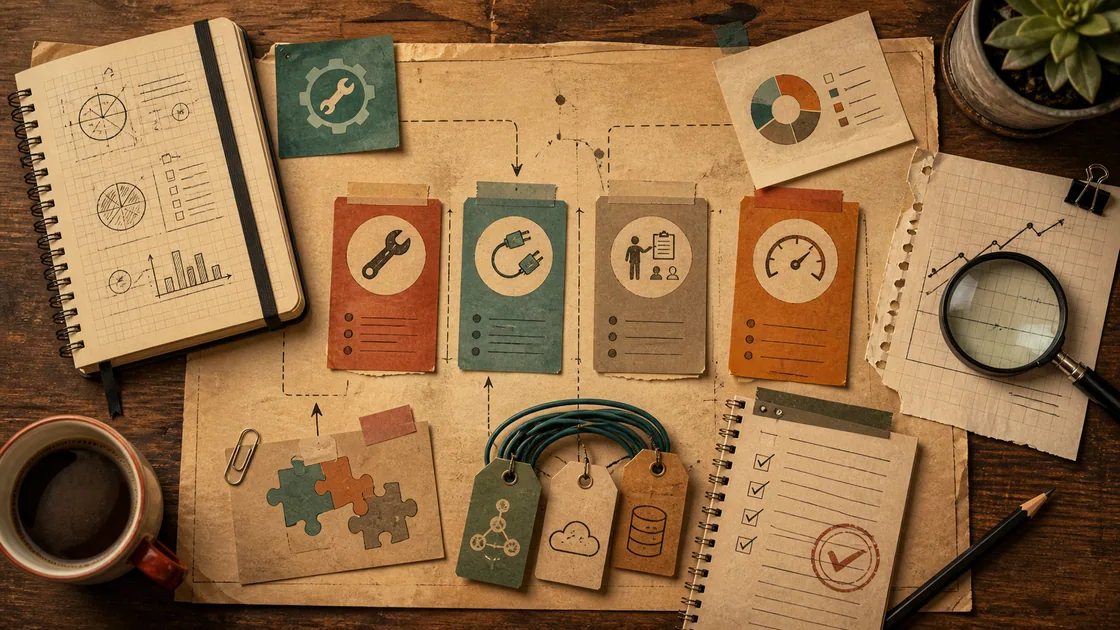
Maintenance and edits. Agencies and freelancers usually quote build cost and support cost as two separate things. If the contract doesn't mention support explicitly, expect an invoice in three or four months labeled as an "enhancement" that's really just a fix to something that used to work.
Model and token costs. For a custom agent, this is a real but usually modest recurring cost — smaller than a single support agent's hourly rate, but it scales with conversation volume, so it's worth tracking separately from the build cost.
The cost of a wrong answer. A bot that quotes a customer the wrong return policy once costs the business more than a year of builder subscription fees. This almost never makes it into the initial budget conversation, and it should.
Matching the budget to the actual problem
If the whole flow fits on one page — a menu, a booking form, three FAQ answers — a builder or a freelancer is the right call. Paying for custom engineering here won't pay for itself.
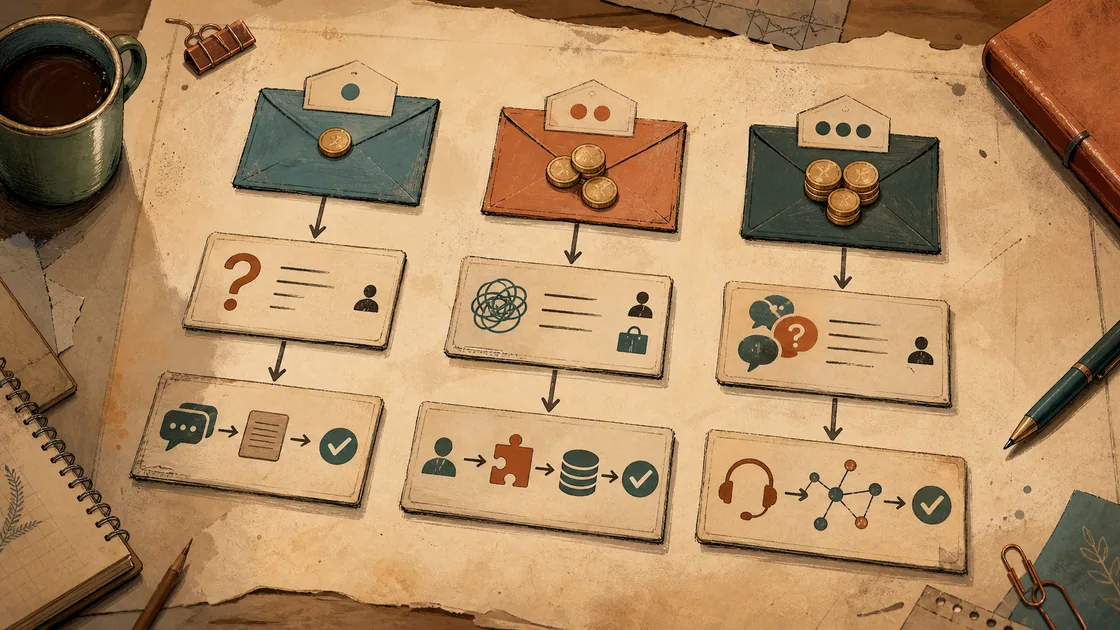
If the volume is high but genuinely predictable, an agency package with existing modules is usually faster and cheaper than building from zero.
If customers write in free text, mix two questions into one message, and the cost of a mistake is high — a wrong refund, a compliance issue, a damaged account relationship — the conversation isn't really about a chatbot anymore. It's about an AI agent that can check its own work and hand off the ambiguous cases to a person. The distinction between a bot builder and a custom AI agent is worth reading before locking in a budget either way.
Price transparency is a signal, not just a number
A vendor who can't explain what's inside their quote usually doesn't understand their own product that well either. Ask directly: how many flows are included, who pays the messaging platform fees, what counts as support, and what happens a year from now if you need to add a channel or a new integration. The answers to those four questions tell you more about the vendor than the total on the invoice.
If you already have real chat volume and are weighing a quick fix against building a proper agent, the useful next step is pricing the cost of your worst-case wrong answer first, then comparing quotes against that number instead of against each other.
FAQ
Why do quotes range from $300 to $15,000 for what looks like the same product?
Because "chatbot" covers a builder subscription, a freelancer's flat-fee build, an agency package with support, and a custom AI agent with integrations and guardrails. Compare what's actually included, not just the total.
Can we start cheap and move to a custom build later?
Yes, and for most companies that's the sensible order. A builder or agency bot in production surfaces the real volume and the real edge cases where customers don't fit the button tree — that's a better spec for a custom agent than guessing upfront.
Are messaging platform fees included in the chatbot price?
Not always. Ask specifically: WhatsApp and similar platforms bill per conversation through a Business Solution Provider, separate from whatever the bot vendor charges for building and hosting it.
What should we budget for support after launch?
Plan for roughly 15-20% of the build cost per year for a simple bot. For a custom AI agent, add regular eval runs to that number — checking that a model or prompt update didn't quietly break something that used to work.